System and Data Integration
Seamlessly connect disparate systems and data sources to create a unified, efficient technology ecosystem.
Business System Integration
Business system integration refers to the process of connecting different IT systems and software applications within an organization to act as a coordinated whole. This integration can involve a variety of systems, such as databases, software applications, hardware components, and even different departments or business units.
The primary goal of business system integration is to streamline and optimize business processes by enabling seamless data flow and communication between different systems.
Here are some key aspects and benefits of business system integration: Data Integration: This involves the consolidation and synchronization of data from various sources to provide a unified and consistent view of data.
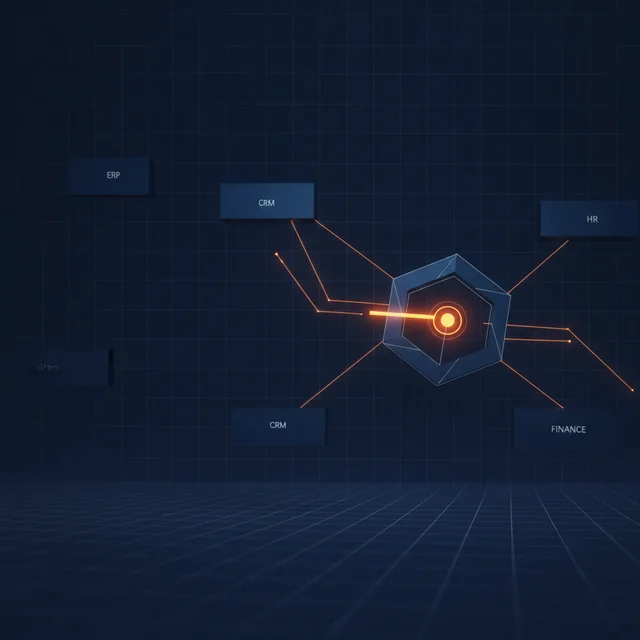
Data Integration & Migration
Data integration and data migration are related concepts in the realm of data management, but they serve distinct purposes and involve different processes.
Data integration is an ongoing process that focuses on unifying data from different sources to support day-to-day business operations and decision-making.
Data migration, on the other hand, is a one-time or periodic event that involves transferring data from one system to another, typically during system upgrades or transitions. While data integration aims for continuous data harmonization, data migration is a discrete project with a specific start and end point. These processes often complement each other, as data migration may be followed by data integration efforts to ensure ongoing data consistency and accessibility.
Data integration and migration are essential for businesses looking to optimize data utilization, ensure data quality, and facilitate seamless data movement between systems.
Data Integration Services: Scalability: Service providers ensure that data migration solutions are scalable to accommodate future data growth and changing business needs.
Successful data integration and migration are critical for ensuring data-driven decision-making, operational efficiency, and competitiveness in today's data-centric business environment.

Data Warehouse
A data warehouse is a specialized database system designed for the purpose of storing, managing, and analyzing large volumes of structured data. It serves as a central repository that collects data from various sources within an organization, transforms it into a format suitable for reporting and analysis, and provides a unified and organized view of the data.
Key characteristics and components of a data warehouse include: Cloud Data Warehouses: Many organizations opt for cloud-based data warehouses, which offer scalability, flexibility, and integration with other cloud services.
Data warehouses are essential tools for organizations seeking to extract valuable insights from their data, support data-driven decision-making, and improve their competitive advantage. They serve as a foundation for business intelligence, analytics, and reporting initiatives, providing a consolidated and organized view of data from various sources.

ETL Development
ETL (Extract, Transform, Load) development refers to the process of designing, building, and maintaining ETL pipelines and workflows for the purpose of extracting data from source systems, transforming it to meet specific requirements, and loading it into a target system, typically a data warehouse. ETL development is a crucial component of data integration and data warehousing, enabling organizations to collect, cleanse, and consolidate data from various sources for analysis and reporting.
Transformation (T): Loading (L): Create an ETL workflow that outlines the sequence of ETL tasks, dependencies between tasks, and error-handling procedures. Implement scheduling and automation to execute ETL processes at regular intervals or in response to t…
ETL development is a complex and iterative process that requires a combination of data integration, data transformation, and data engineering skills. It plays a critical role in ensuring that data is prepared and available for analysis, reporting, and business intelligence, ultimately supporting data-driven decision-making within organizations.

Business Intelligence (BI) Development
Business Intelligence (BI) development offers a wide range of benefits to organizations across various industries. These benefits are related to data analysis, decision-making, operational efficiency, and competitive advantage.